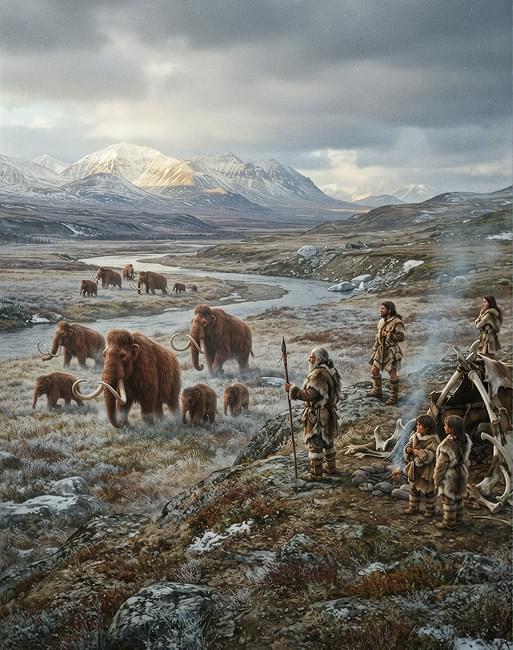
Mammoth ivory and tusks may be regarded as tangible assets with collectible value. Their price is determined not by promises of appreciation, but by the rarity and condition of the specimen, provenance documentation, artistic quality, and the ability to sell the item legally in the relevant country.
Where the Value Comes From
Mammoths became extinct thousands of years ago, which makes their remains a non-renewable natural resource. However, age alone does not make an object valuable: large, intact, well-preserved specimens with natural color, distinctive texture, and minimal damage are generally valued more highly.
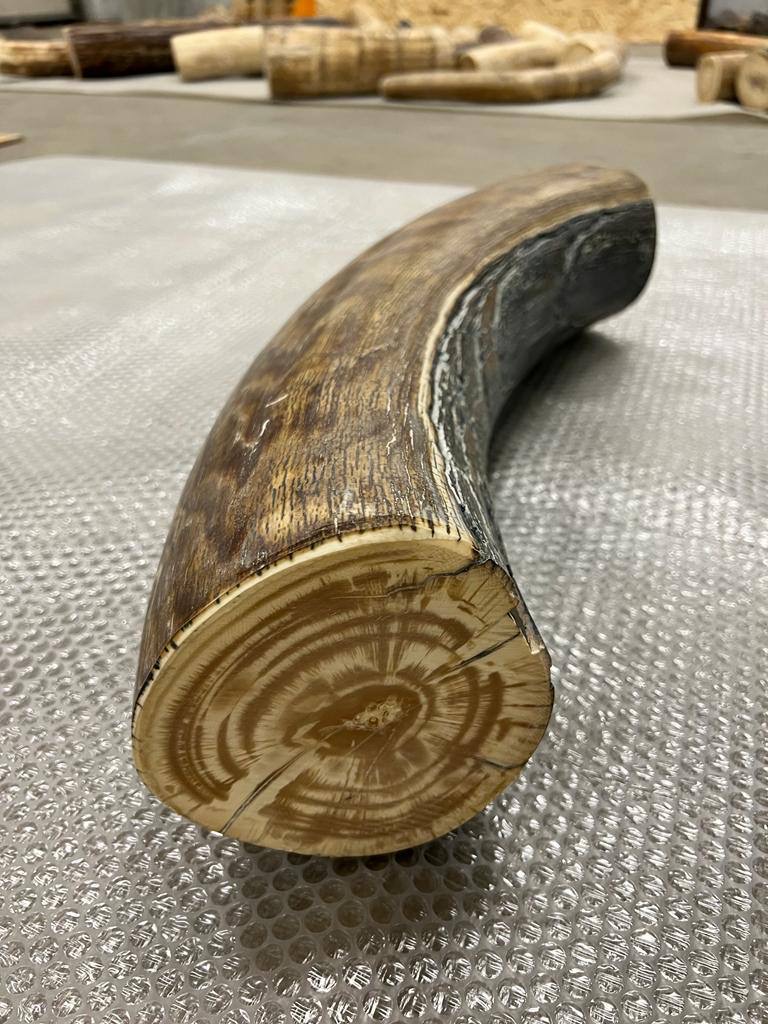
Weight is not the only factor in an appraisal. The final value can depend on shape and size, cracks and signs of repair, the rarity of the color, provenance, the availability of an expert opinion, and—in the case of a finished piece—the quality of carving, the artist’s name, and the artistic merit of the composition.
Why the Price May Increase
The mammoth ivory market is supported by a limited supply of high-quality raw material. Whole tusks suitable for fine carving and for creating large interior objects are considerably rarer than fragments or damaged material.
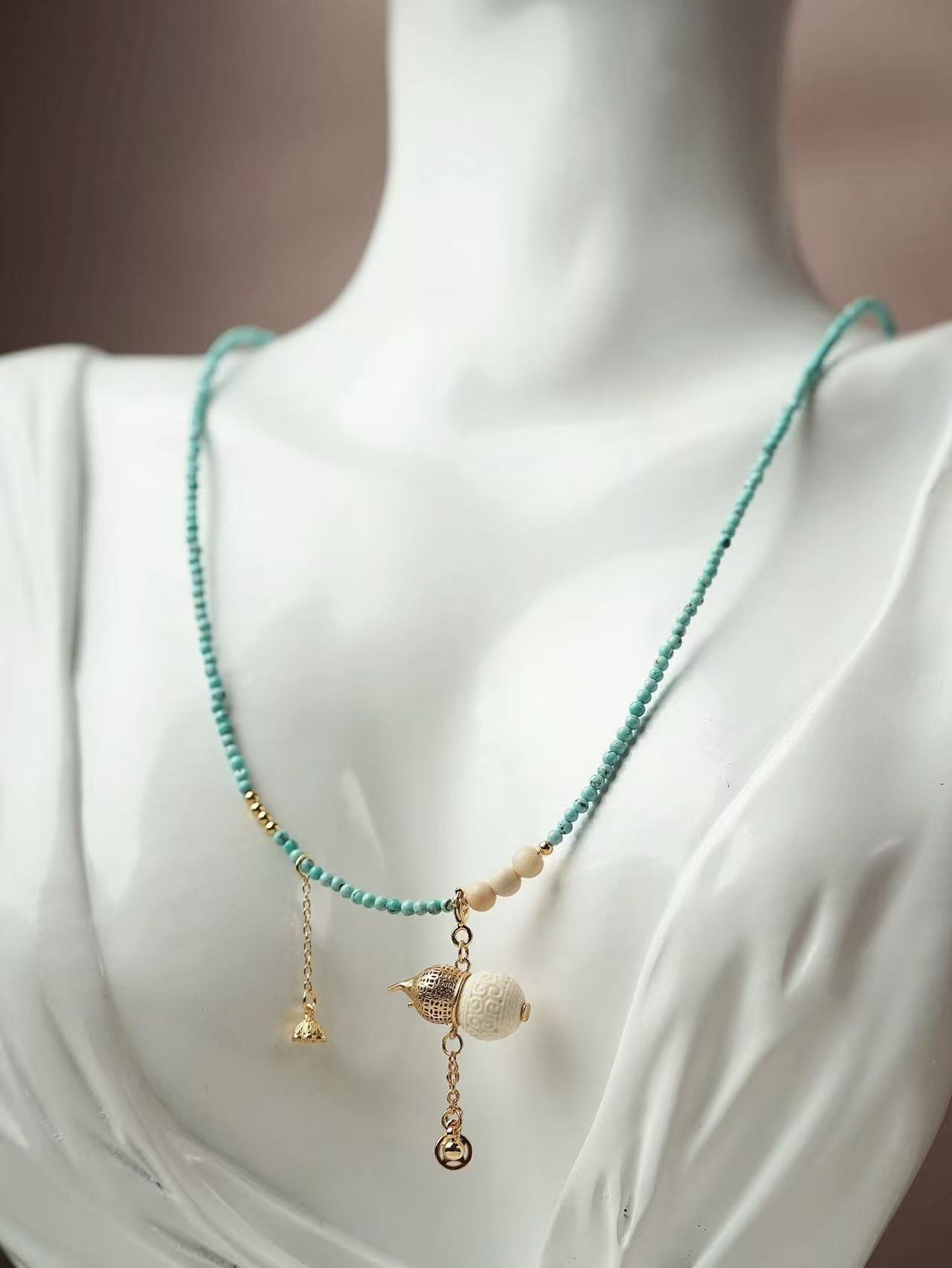
Collectors, artists, and decorative-art craftsmen also create demand. Mammoth ivory is used to make sculptures, chess sets, boxes, jewelry, and other original works; its value can therefore arise on two levels: as a rare natural material and as a work of art. CITES
Every high-quality specimen is individual. Its curve, natural pattern, color, and degree of preservation cannot be precisely replicated. As a result, an exceptional tusk or a distinguished work by an artist may appeal to a narrow circle of buyers even without broad mass-market demand.
Legal Considerations
Mammoth ivory differs from elephant ivory: trade in material from extinct proboscideans is generally not regulated by CITES in the same manner as trade in elephant ivory. Nevertheless, individual countries and regions may impose their own restrictions, and proof of origin and material identification is particularly important for international transport.
Buyers should bear in mind that regulations differ across jurisdictions. For example, CITES notes that Russia has requirements related to the collection, transportation, and examination of mammoth ivory, while cross-border movement requires appropriate permits and supporting documentation.
What to Verify
Before purchasing a high-value item, it is advisable to conduct thorough due diligence:
- Confirm that there is a purchase agreement, provenance documentation, and proof of the seller’s legal right to dispose of the item.
- Obtain an independent expert opinion confirming that the material is mammoth ivory rather than elephant ivory or another type of bone.
- Assess the condition carefully: deep cracks, unstable areas, artificial coloring, and poor-quality restoration can significantly reduce value.
- Request a description of any restoration work and photographs taken before the intervention, if the object has been restored.
- Review storage, insurance, export, and import requirements before completing the transaction.
This review matters not only for future resale. In international practice, mammoth ivory must be distinguished from elephant ivory, as incorrect labeling can be used to circumvent restrictions on elephant ivory trade. CITES
Risks for Investors
The key risk is limited liquidity. A valuable tusk or one-of-a-kind carved object may have a high appraised value, yet finding a buyer can take considerable time. The final sale price depends on specific demand, the seller’s reputation, the quality of attribution, and overall market conditions.
There is also a legal risk: an inability to demonstrate lawful origin may complicate resale, storage, or border crossing. Mammoth ivory is therefore better viewed not as a universal financial instrument, but as a long-term acquisition for a collection or interior, with investment potential serving as an additional advantage.
A Balanced Approach
The most sensible strategy is to select an item that has independent value to its owner: a rare natural specimen, a professionally restored tusk, or an original work of high artistic quality. In this case, the investment perspective rests on authenticity, transparent provenance, preservation, and legal compliance—not on expectations of quick profit.